¿Cuál es el proceso básico del tratamiento de Fenton?
Los investigadores clasifican principalmente el proceso de oxidación de Fenton en cuatro etapas: ajustar el pH de la solución a 3-4, iniciar la reacción de oxidación, neutralizar la solución a un pH de 7-8 y floculación/precipitación.
Diagrama de flujo del proceso Fenton
-
Reactivo de Fenton:
El reactivo estándar de Fenton se refiere a un sistema líquido homogéneo compuesto por peróxido de hidrógeno e iones ferrosos. A partir de este reactivo estándar, se derivan diversos métodos similares al de Fenton, con mecanismos parecidos, mediante la modificación y combinación de las condiciones de reacción, como los métodos Electro-Fenton, Foto-Fenton, Ultrasonido-Fenton y Microondas-Fenton.
-
Ajuste de acidez (ajuste de pH):
Esto se refiere al proceso de añadir ácido sulfúrico concentrado o diluido para ajustar el pH de las aguas residuales a un rango ácido adecuado para la reacción de oxidación de Fenton.
-
Durante esta etapa, se suelen emplear métodos como la mezcla hidráulica, la agitación mecánica o la agitación neumática para acelerar la difusión y la mezcla completa del ácido con el agua de entrada. El tiempo de mezcla no debe ser inferior a 2 minutos.
-
Mezcla de catalizadores:
Esto se refiere a la etapa del proceso en la que se añade el catalizador y se asegura su mezcla completa con las aguas residuales.
-
Durante esta etapa, se suele añadir cuantitativamente una solución de FeSO₄ (o minerales de hierro, hierro de valencia cero) mediante una bomba dosificadora como catalizador. Se utilizan métodos como la mezcla hidráulica, la agitación mecánica o la agitación neumática para acelerar la difusión y la mezcla completa del sulfato ferroso con el agua de entrada. El tiempo de mezcla no debe ser inferior a 2 minutos.
-
Oxidación de Fenton:
Esto se refiere al proceso en el que el reactivo de Fenton genera radicales hidroxilo en condiciones ácidas, destruyendo la estructura de la materia orgánica y, en última instancia, oxidándola o descomponiéndola.
-
Reacción de oxidación:
Esto se refiere a la etapa del proceso que consiste en añadir el oxidante (peróxido de hidrógeno), mezclarlo completamente con las aguas residuales y permitir que se produzca la oxidación de Fenton en presencia del catalizador, oxidando y descomponiendo así la materia orgánica presente en las aguas residuales.
-
Durante esta etapa, el tiempo de retención hidráulica debe determinarse en función de la calidad del agua cruda (DQOcr, pH, SS, etc.), las características de los contaminantes y los requisitos de descarga. El tanque de reacción debe constar preferiblemente de al menos dos etapas (para evitar cortocircuitos o errores operativos que provoquen un tiempo de reacción de oxidación insuficiente).
-
Neutralización:
Esto se refiere al proceso de ajustar el pH del efluente del tanque de reacción de oxidación para cumplir con los requisitos de los procesos de tratamiento posteriores o las normas de descarga, generalmente ajustando el pH a 7-8.
Innovación en la técnica Fenton
Fenton 1.0 - Fenton tradicional: esencialmente una combinación de equipos de dosificación de productos químicos.
Fenton 2.0 - Fenton de lecho fluidizado: Utiliza un medio filtrante para generar más radicales hidroxilo.
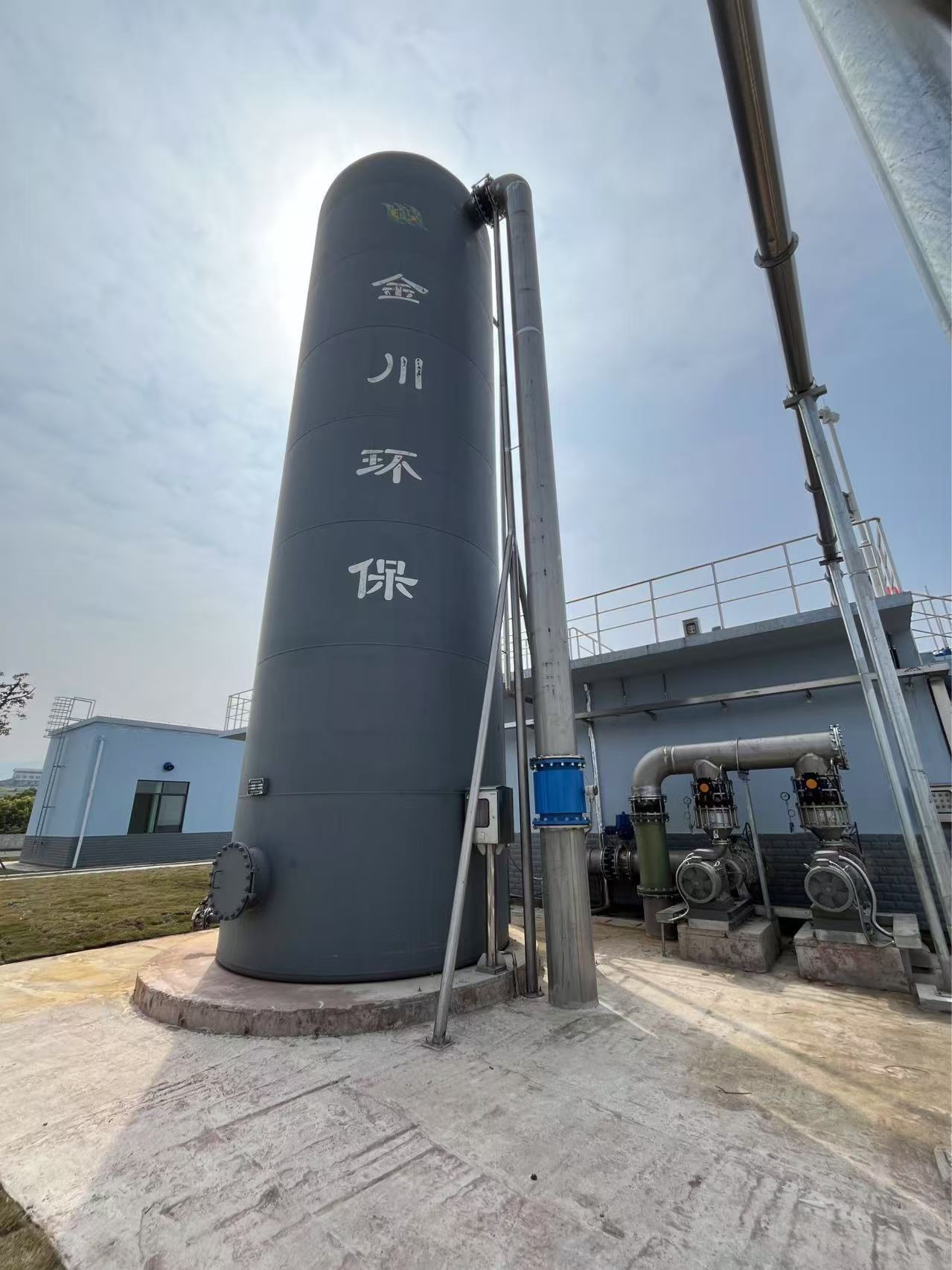
Fenton 3.0 - Fenton magnético: Reduce significativamente los radicales hidroxilo ineficaces y, por lo tanto, mejora enormemente la tasa de utilización de radicales hidroxilo mediante tecnología magnética.
|
Panorama comparativo de tres generaciones de Fenton
|
|
Técnica
|
Característica del proceso
|
Características de funcionamiento
|
|
Fenton
1.0
Fenton tradicional
|
1.
Sin reactor + sin medios
2.
Alto consumo de productos químicos
3. Combinación de sistemas de dosificación
|
1. Baja tasa de eliminación de DQO, alto costo de operación.
2. Alta generación de lodos
3.
Depende en gran medida del operador del sitio.
|
|
Lecho fluidizado Fenton 2.0
Fenton
|
1.
Reactor + Medio (catalizador)
2.
Utiliza medios (como arena de cuarzo o materiales catalíticos de hierro-carbono) para promover la generación de más radicales hidroxilo, mejorando así la eficiencia de la oxidación.
|
1.
Se solicitan medios de cultivo, que deben reemplazarse como material consumible (costo 0,1 RMB/tonelada de agua).
2.
Alta tasa de fallos; el reactor es propenso a la aglomeración y la obstrucción.
3.
Sobredosis de H2O2, debe estar equipado con un dispositivo de desgasificación
;
4
.
No puedo dejar de correr
|
|
Fenton 3.0 Fenton magnético
|
1.
Reactor+ Sin medios
2.
Bajo consumo de productos químicos, consumo de energía y generación de lodos.
|
1. Costo operativo integral ultrabajo
;
2. Cero fallos, cero mantenimiento, funcionamiento continuo.
3. Baja dosificación de H2O2, no requiere dispositivo de desgasificación.
4. Arranca y detente en cualquier momento, funcionamiento totalmente automático.
;
|
El proceso Fenton magnético de Jinchuan tiene las siguientes especificaciones únicas:
-
Cero fallos
-
No se necesita un medio de comunicación como catalizador.
-
Bajo consumo de productos químicos
-
Bajo consumo de energía
-
Baja generación de lodos



 Network compatible con